Water Everywhere but Not a Drop at Home: Rising Demands and Climate Crisis Leave Resource-Rich Community Scrambling for Water

Talustusan, a community once known for its abundant water resources, found itself scrambling for water during the 2024 El Niño. While residents managed a temporary fix in 2025, local officials acknowledge it is not sustainable. With rising demand and the climate crisis, the community understands the need for a long-term solution. This photo essay highlights how Talustusan is innovating amidst the crisis but also emphasizes the need for support rooted in informed policies rather than patronage politics. 

Anas River PH

Some seven kilometers (four miles) from the capital town Naval of Biliran Island in Central Philippines is a village called Talustusan. Home to over 600 households, Talustusan is an agricultural area, surrounded by water springs. Most families here farm rice and coconut. Biliran-native historian Rolando Borinaga in a blog post wrote that Talustusan appears to be a source of timber during the galleon-making years, from 1580s to early 1600s. This is also where its official name derived from: Talostosan. Defined in a Spanish dictionary as, “rope, a thick and long rattan, etc., that is tied to a heavy object to slacken it or lower it from a high spot and slope; the same place where the object is taken down or lowered” 

I am also from this village. I spent my formative years here and had the privilege to enjoy its nature’s bounty. The rice fields served as my playground growing up. I learned how to swim in the river nearby. Residents fetch drinking water and do their laundry in water springs. However, typhoons are also a regular part of our lives. Of the 20 tropical storms that visit the Philippines yearly, almost half pass      through this part of the country.    

On my regular visits to my hometown, I’ve started noticing the gradual changes. As the rough, muddy roads turned into concrete, residential houses also started to surface in the rice fields. Along with the increasing population comes a higher demand for public utilities, including access to water. One could say this is not a problem for the resource-rich community. However, increased demands coupled with old water system infrastructure, and intensifying impacts of the climate crisis has put Talustusan in a challenging situation.   

Talustusan Philippines
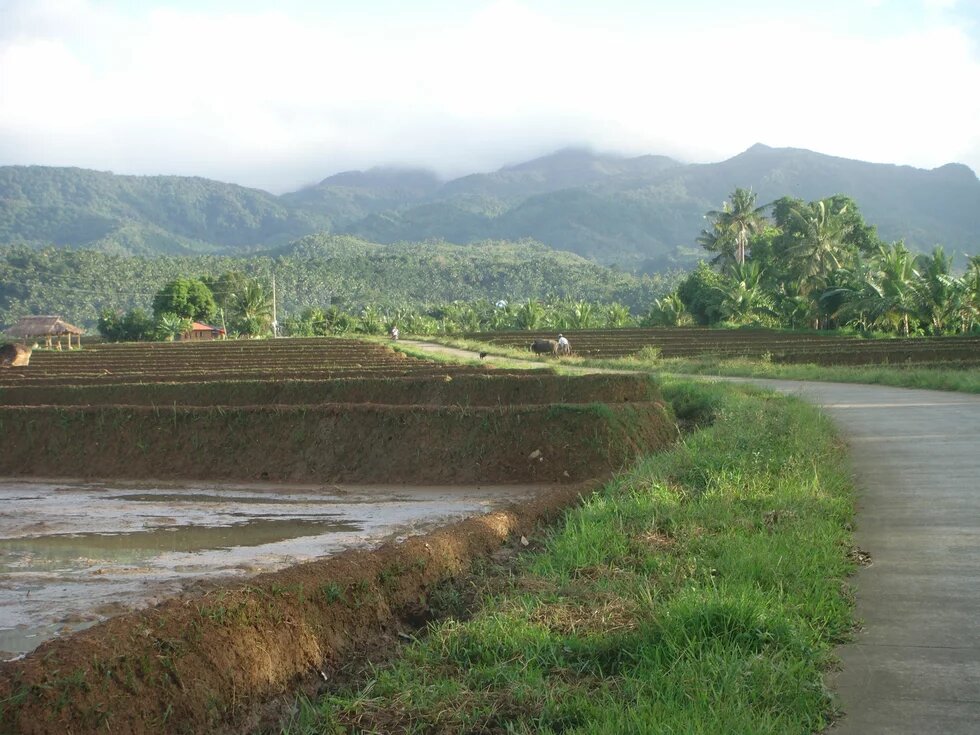
Locals who grew up here know this spot well—it’s the main road leading into the residential area of Talustusan. The rice fields glow gold during harvest in March and October. This photo was taken right at planting season. These days, some portions of the land have been sold and gradually transformed into residential areas. (Photo taken in Dec 2011)


In 2024, Southeast Asia experienced the hottest of summers on record – one that resulted in school closures and concerns about heat-related illnesses. During the extreme heat in March to May 2024, many residents in rural and agricultural communities in the Philippines struggled with drought, exacerbated by El Niño.

Residents of Talustusan, found themselves queuing between 11pm to 2am, and 4am to 7am, to collect water for household consumption the next day. For many, the irony of their ordeal was all too clear: water sources were all around their hometown, but they didn't have potable water.

The community found a solution to this ordeal and eventually managed to mitigate the  impending water shortage in the summer of 2025. Community officials, however, are aware that a sustainable system is needed to address the increasing demand for water and impacts of the climate crisis. 

Despite the bounty of water resources, like many other communities in the Philippines, Talustusan lacks the financial resources to develop a sustainable system of their own. Apart from limited budgets from the provincial government, they are under the mercy of ruling local politicians who get to determine      who and what gets prioritized. 

The photos below illustrate some of the changes in my hometown over the course of time. 
DA 01
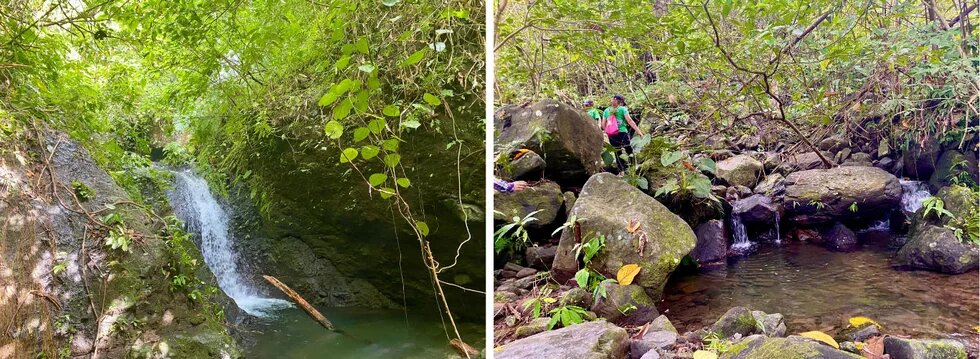
The village of Talustusan is home to numerous potable springs and streams. Some of the springs been converted into water reservoirs for neighboring communities to use, including for a provincial hospital that is under construction located in another nearby community. (Photos taken Sept 2025)


Anas River PH
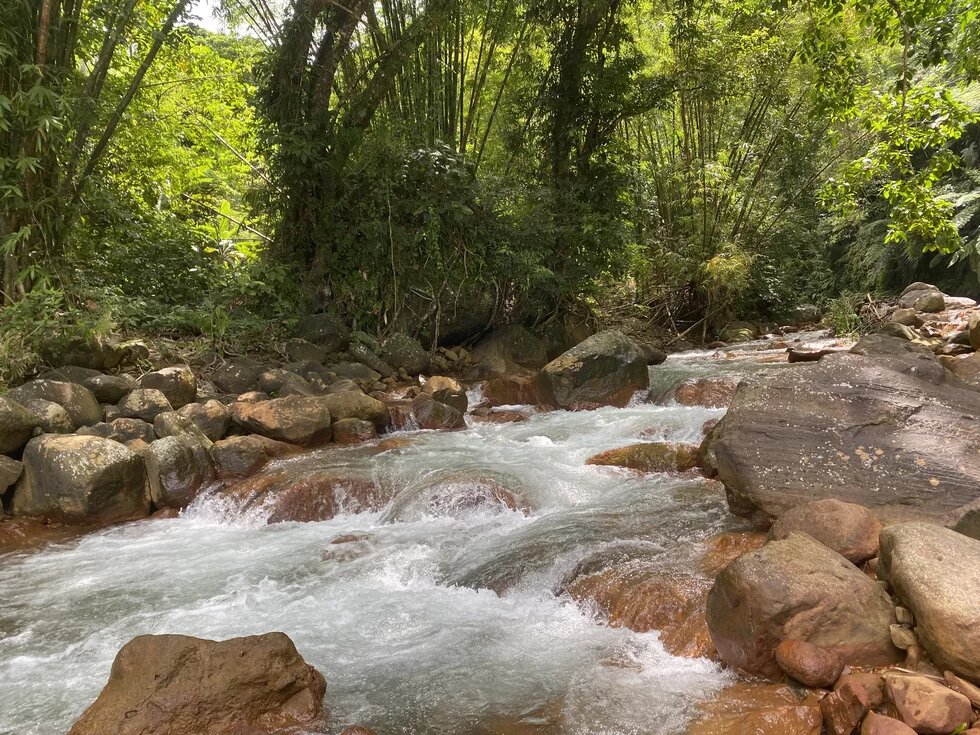
Some of these streams merge to form rivers, including the Anas River, which flows through Talustusan and supplies irrigation water to rice fields in at least five agricultural communities in the town of Naval. During the galleon-making era, timber was transported along this river to a shipyard on the island’s coast. (Photo taken Sept 2025.


DA 02
The village of Talustusan has been dealing with water scarcity over the last ten years as the community only relies on an old water system that has been existing since the 1980s. Over decades its population has increased significantly yet its water system remains the same. While there were few upgrades in the early 2000s, these were not enough to address water shortage in 2024 due to El Niño. (Photos taken in May 2024)


04 Talustusan PH
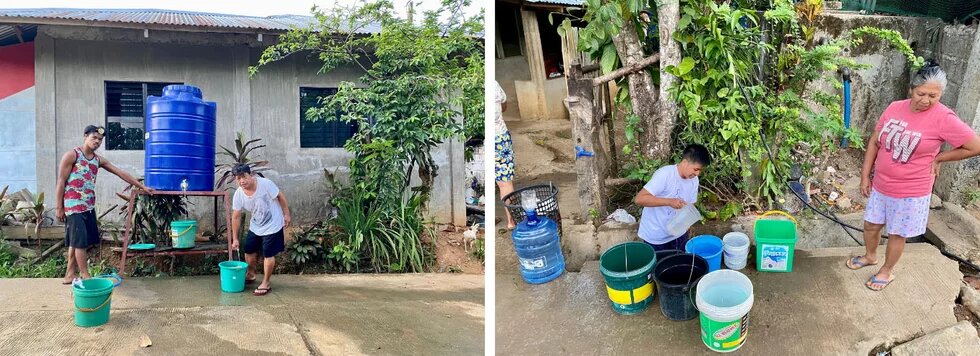
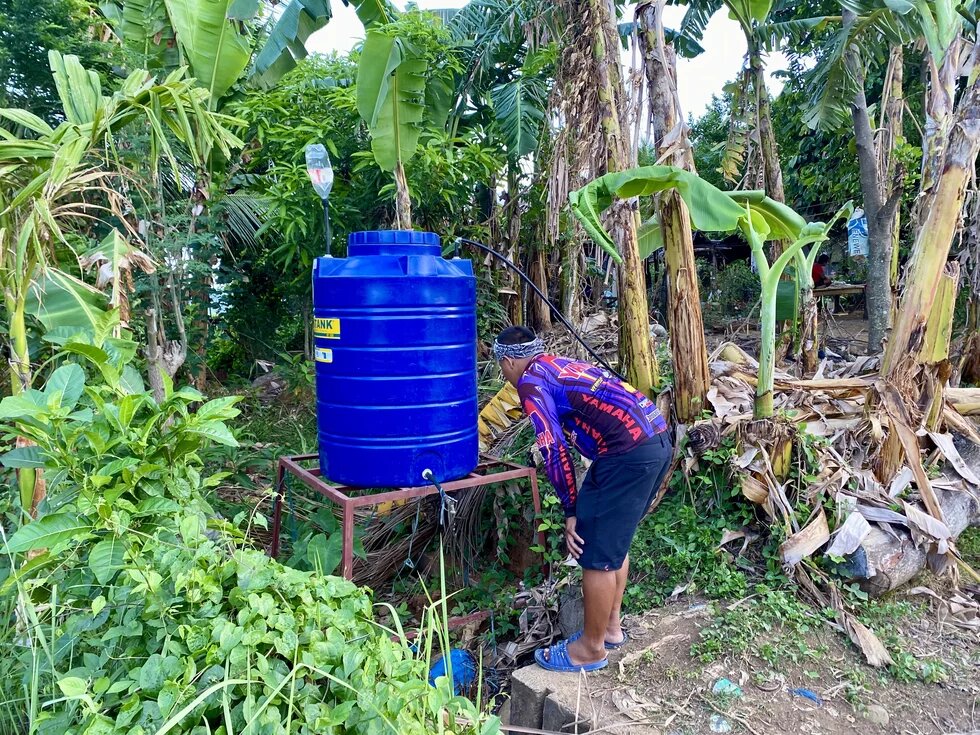
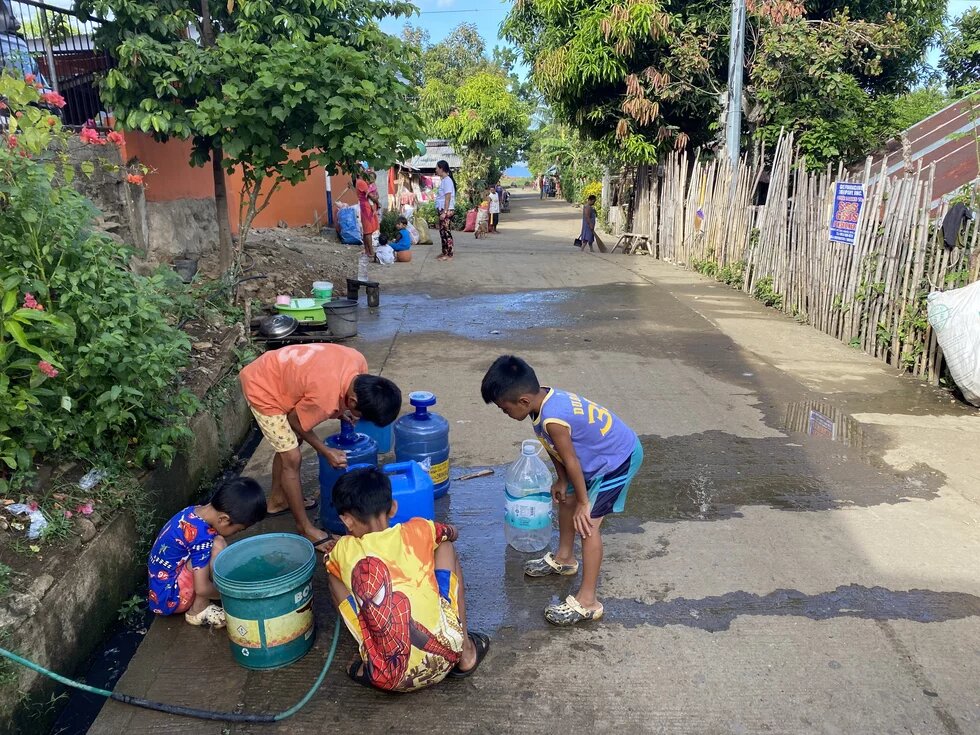
To mitigate the water shortage, the community council set up communal tanks in strategic locations where residents could collect water. When the supply was insufficient to fill the tanks, council members went to higher areas of the village—where water was more abundant—to refill them. They then distributed the water around the village, stopping at designated areas where residents could fetch it. (Photo taken May 2024.)


DA 03
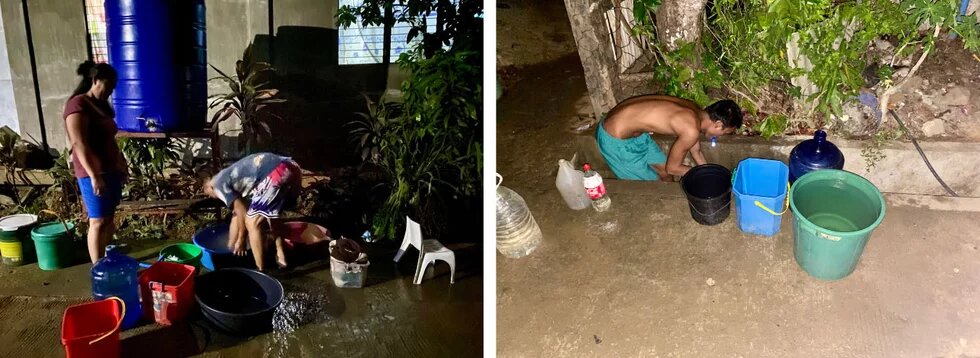
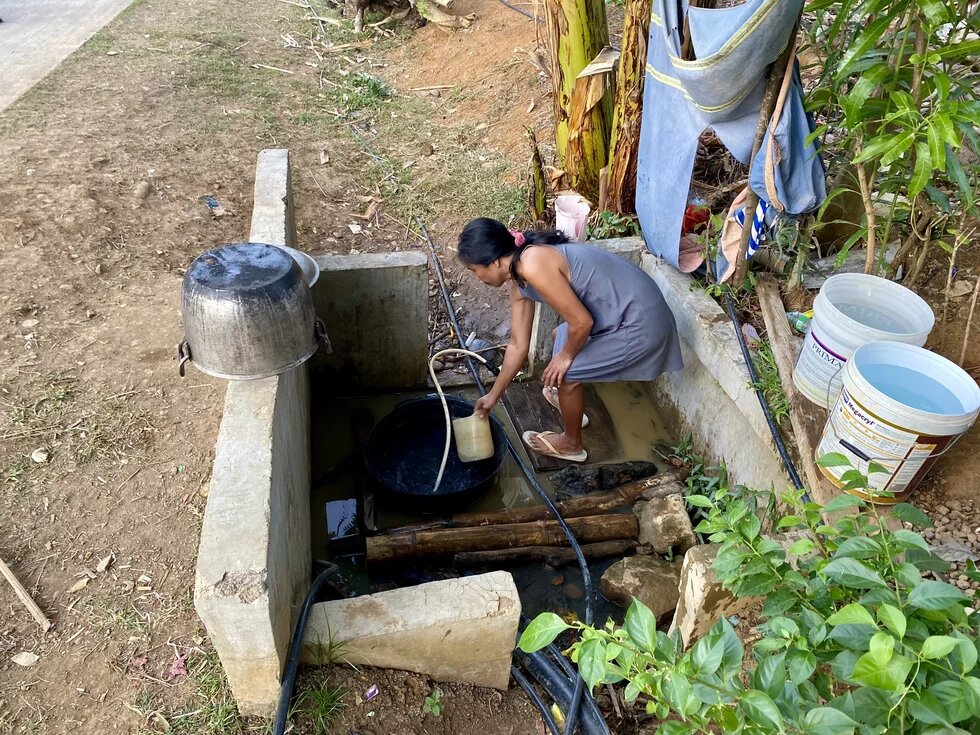
Because the water supply tends to be better in the evenings, residents take to washing their clothes late in the day. Others flock to this communal area very early in the morning, as water supply is low to nothing during most of the daytime. Some residents only have time to collect water at night because they have work during the daytime. Many villagers would have wanted to rest at this time of the day after long hours of work but circumstances forced them out to get water. (Photos taken in May 2024)


06 Talustusan PH
The water shortage means an additional burden to household chores. Some family members, especially women, would have to bring not only laundry but also dishes to the communal areas to wash them. (Photo taken May 2024) 


07 Talustusan PH
During school break, some children fetch water for some households. When I asked how much they charge per gallon, they responded, “It’s up to them how much they like to pay us.” (Photo taken May 2024)


08 Talustusan PH
The water reservoir in this photo used to be a spring where villagers washed their clothes, bathed, and fetched water. I used to go here often as a child, as my family owns a rice field about 50 meters away. Since the mid-2000s, the spring has been converted into a concrete water reservoir. (Photo taken May 2024)


DA 04
There are at least three water reservoirs in Talustusan run by the Naval Water District (NWD), a government-owned and controlled corporation . Local Water Districts were created through the Provincial Water Utilities Act of 1973, to transfer control and operation of water systems for municipalities and nearby communities. Talustusan’s water system, however, is not part of the NWD’s administration. It is managed by the village council, which does not have the financial capacity to improve water infrastructure.
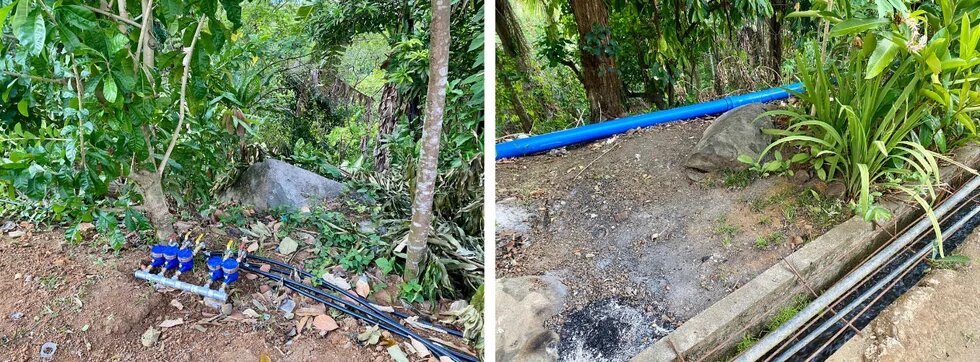
The photo above on the left shows water meters for five households that managed to tap into the Naval Water District’s pipeline. While NWD allows residents to use their service, only a few locals are able to afford the cost. The above right photo shows the massive pipeline (blue) installed by NWD, while the small black water pipes supply households in Talustusan. (Photo taken May 2024)
   

10 Talustusan PH
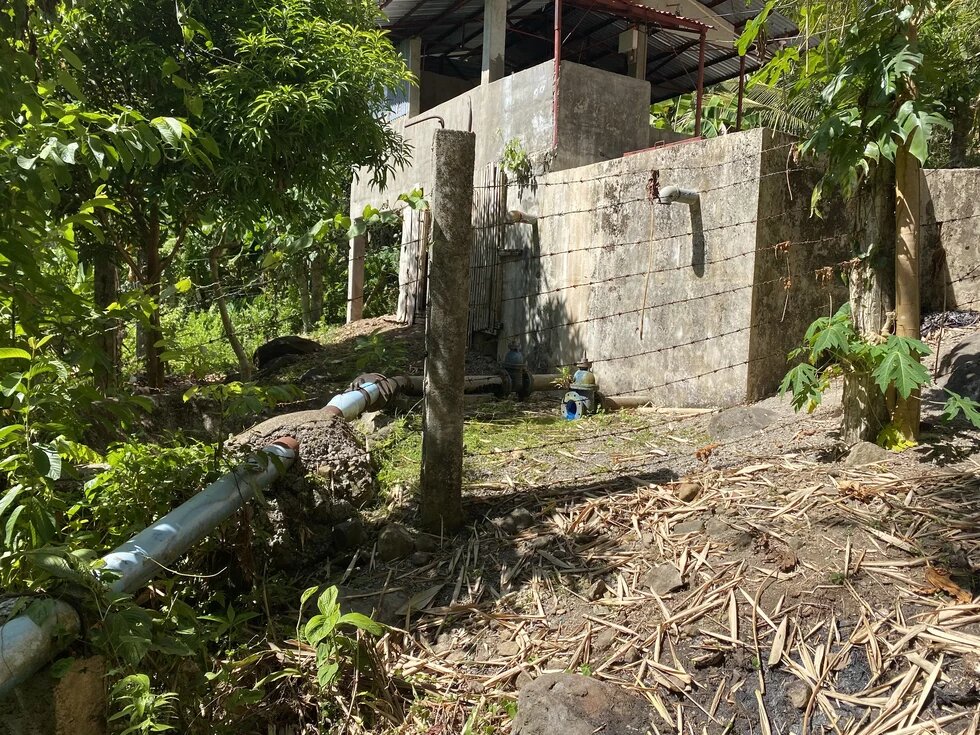
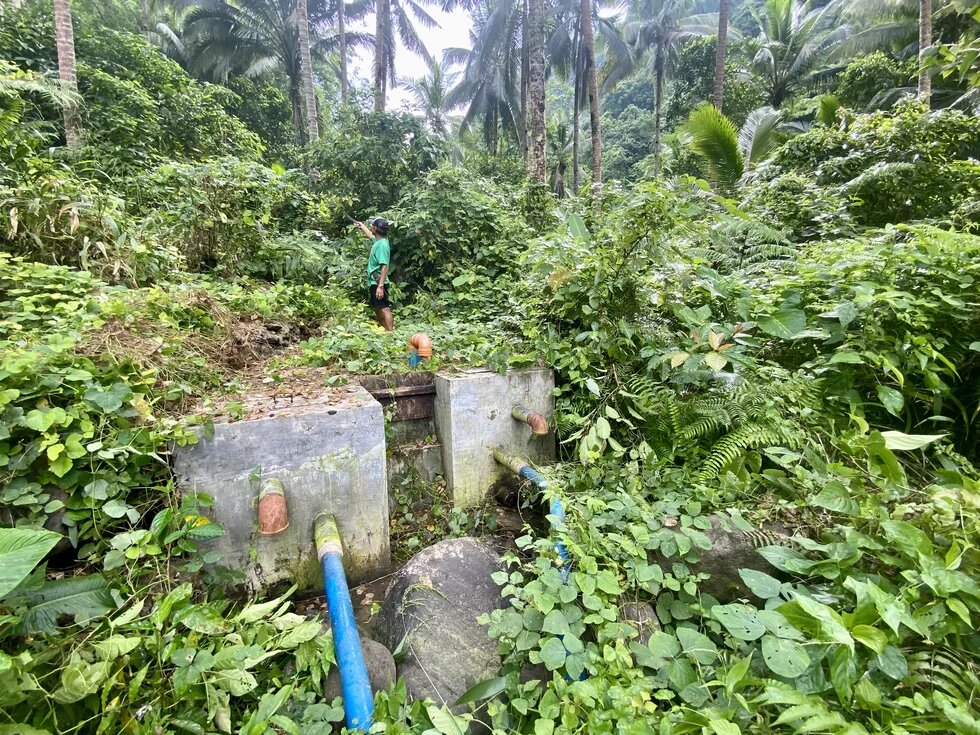
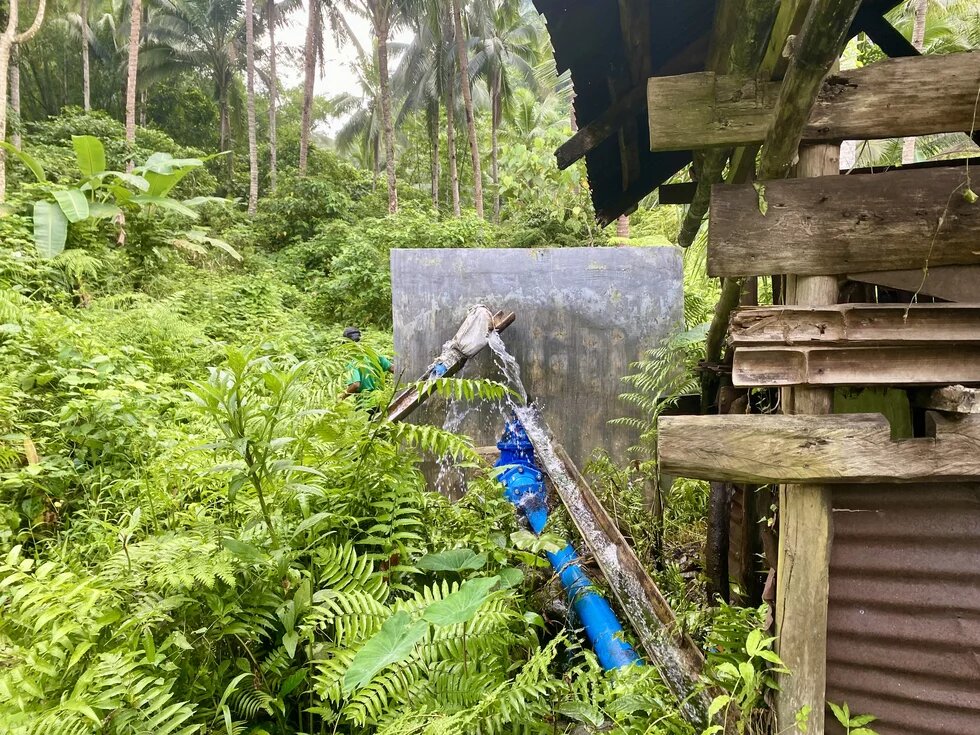
In late 2024, village officials in Talustusan discovered a spring in the middle of a government-classified timberland that could help address the water shortage. The spring has since been converted into a concrete reservoir, which now eases the community’s need for potable water. I visited the site during my most recent trip. (Photo taken Sept 2025.)


11 Talustusan PH
Talustusan officials managed to secure a 3- million- pesos (53,000 USD) budget from the Biliran Provincial Government for the construction of the reservoir and the water pipeline line that brings the water down to the community located 10 kilometers (6 miles) away. (Photo taken Sept 2025) 


12 Talustusan PH
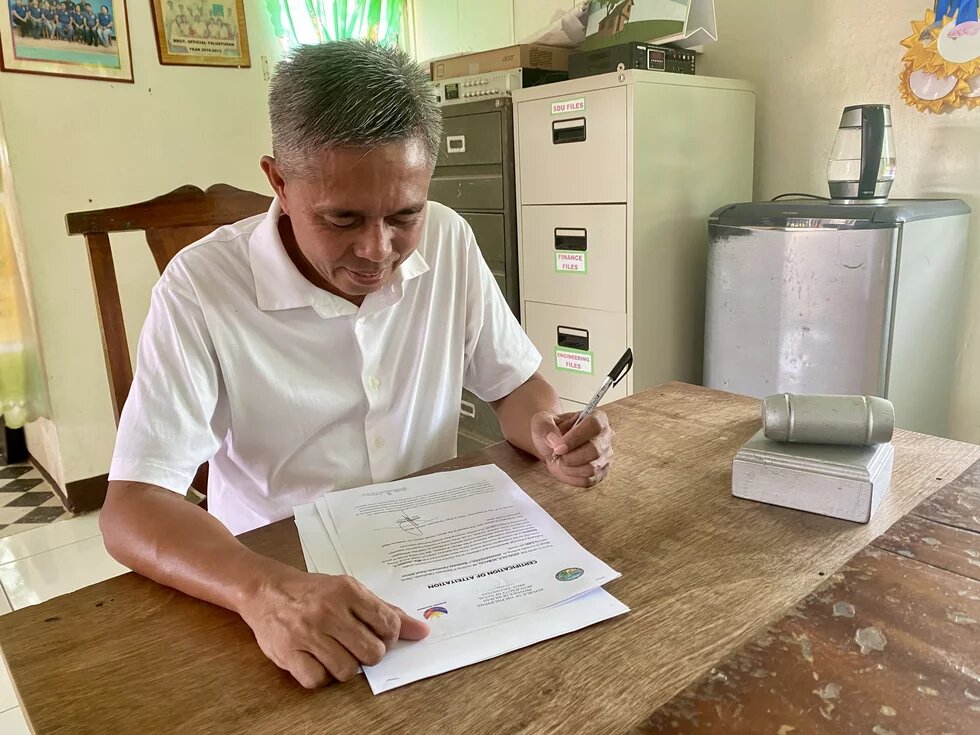
Talustusan community chair, Edwin Pitao said, “aside from the new water source, the village’s water system in itself is in need of long overdue rehabilitation to address the increasing demand for water.” The community is also dealing with the intensifying impacts of the climate crisis. Aside from prolonged drought, other communities in Biliran suffered flooding and landslides, which in turn affected the supply of water. The community’s income and National Tax Allocation is not enough to deal with these poly crises, including the rehabilitation of its the existing water system. (Photo taken Sept 2025)


13 Talustusan
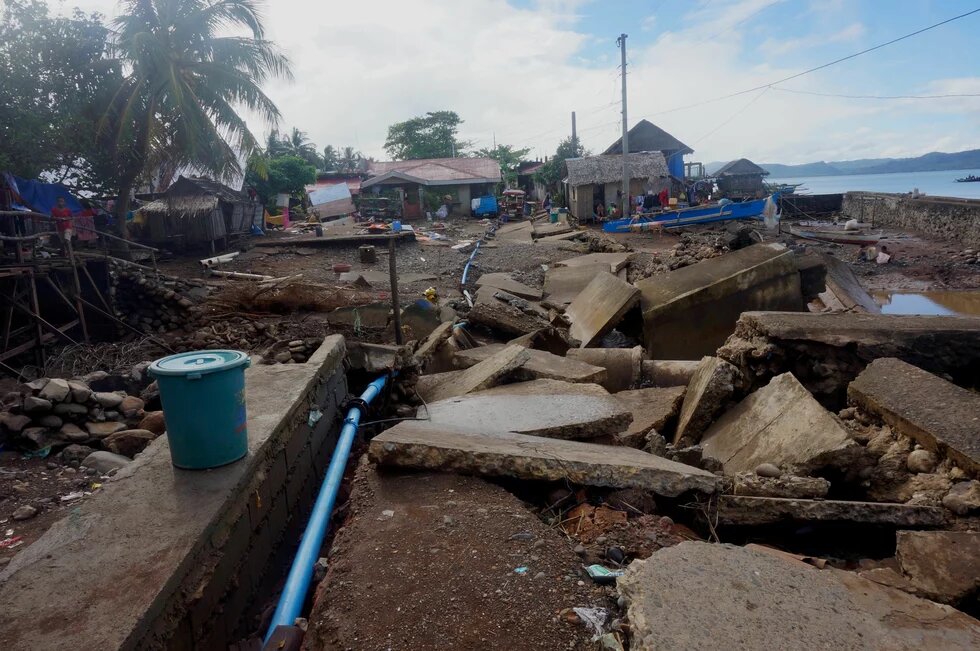
In December 2017, Biliran Province suffered severe impacts from Tropical Storm Kai-tak (local name Urduja). The provincial government estimated losses in infrastructure and agriculture at around ₱900 million, with 42 people reported dead. This photo shows the typhoon’s impact on coastal Biliran, where the water system was damaged by floods caused by torrential rain, leaving residents without water. (Photo taken in Dec 2017, first published at VERA Files) 


14 Talustusan PH
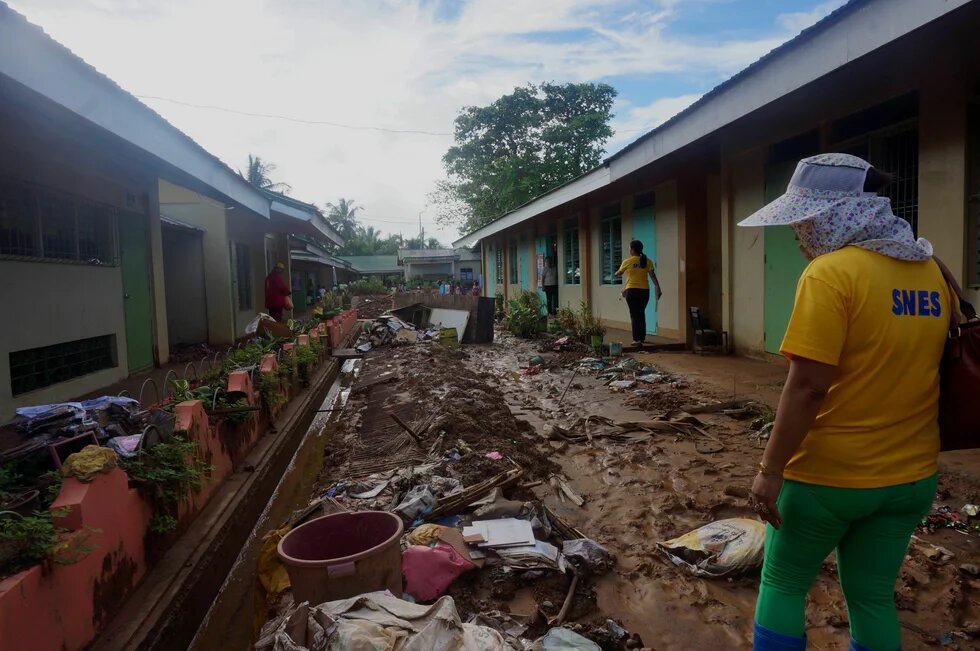
Several schools were flooded in December 2017 as a result of Typhoon Urduja. Today, Biliran Province continues to bear the burden of increasingly intense typhoons, alternating with prolonged droughts during the dry season. (Photo taken in Dec 2017, first published at VERA Files)


15 Talustusan PH
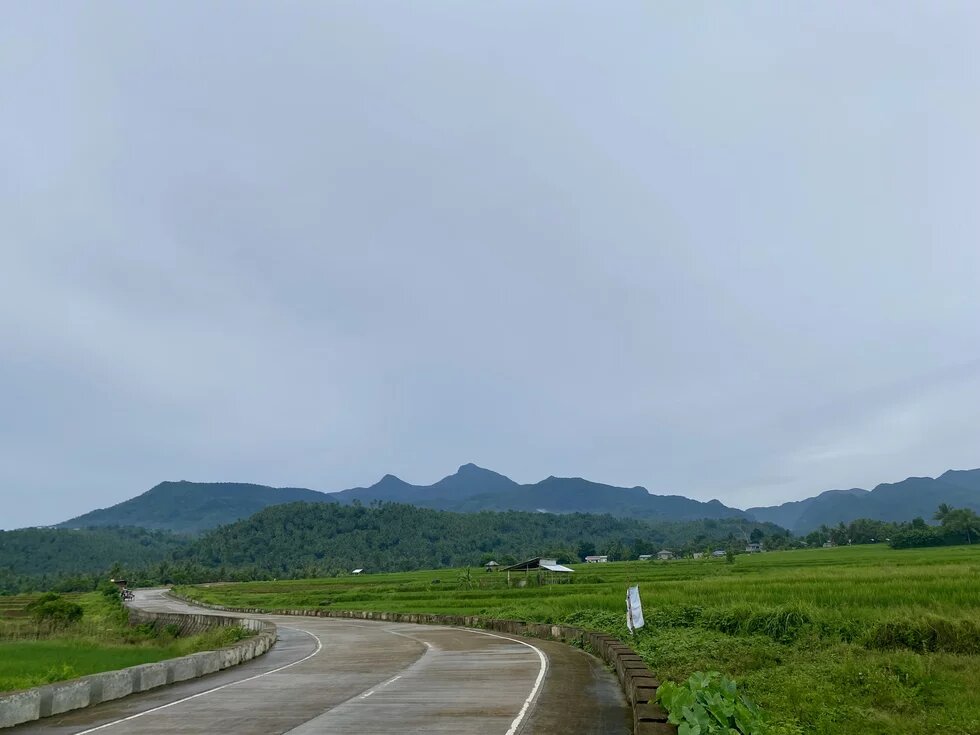
Recently, a new bypass highway traversing Talustusan has been completed. While three kilometers (2 miles) away, in a nearby community, the new government center is being constructed, including the provincial hospital. This new road and proximity of the community to the new provincial government complex makes Talustusan an attractive place to live.  Pitao is anticipating an influx of new residents in Talustusan in three to five years, which would mean an increase in demand for public services including water. (Photo taken Sept 2025)   

Concluding thought

Over the years, I have observed the construction and widening of roads not only in my community but across the province. While roads are essential for improving accessibility and living conditions, infrastructure development often does not align with the community’s actual needs, such as sustainable water systems. Although communities find their own solutions, they require financial support to implement them—support that should come from informed policy programs rather than patronage politics.

As of the time of publishing this piece, the central and southern Philippines are suffering from the devastation left by Typhoon Kalmaegi (local name Tino), which has claimed over 200 lives. This is the 20th typhoon to hit the country this year. For many communities in the Philippines, such disasters are becoming more frequent and even more intense. As one friend, whose house was submerged in floodwaters due to Typhoon Kalmaegi, shared, “It is heartbreaking to see your dream house, built over years, gone in an instant.”

This comes at a time when flood control and other climate mitigation and adaptation measures in the Philippines are marred by corruption cases, including allegations involving government officials from Biliran. Meanwhile, in the international climate crisis discourse, climate finance has increasingly shifted into a profit-driven model, which could place vulnerable communities at even greater disadvantage.